
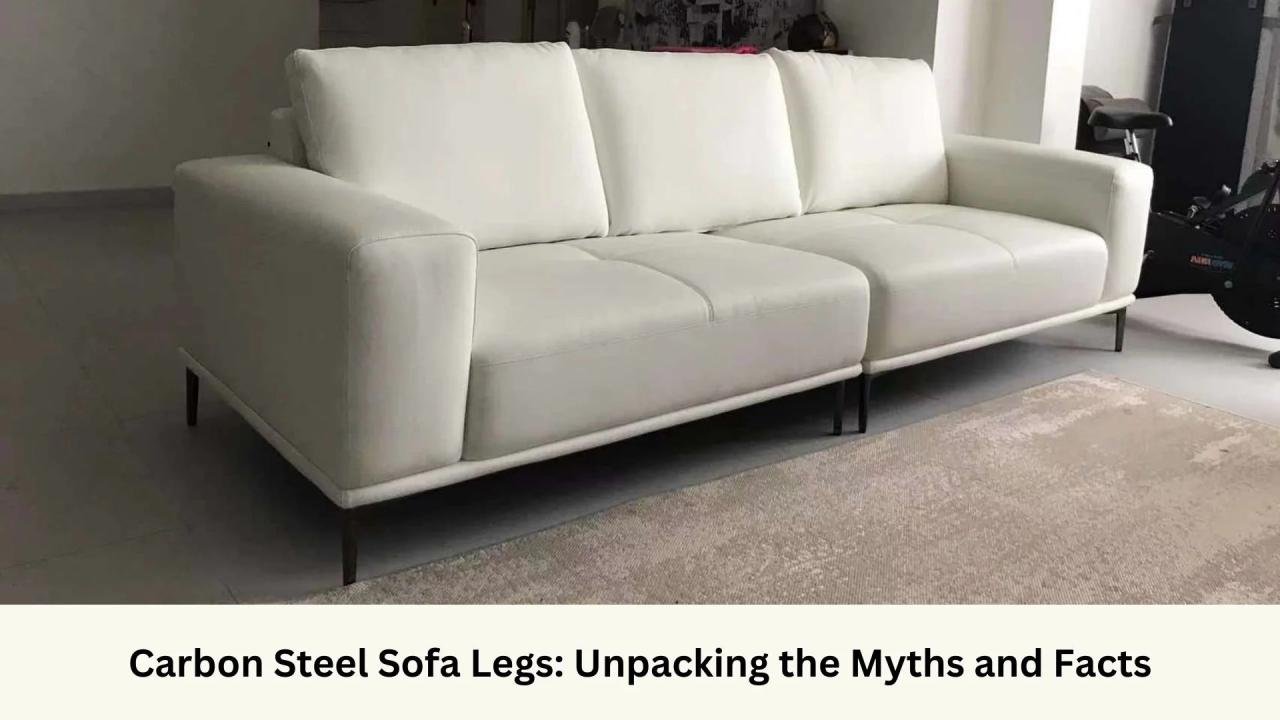
Eco-friendly sofa furniture with metal legs represents a stylish and sustainable approach to home furnishing. This combination offers the durability and modern aesthetic of metal legs, paired with the comfort and eco-conscious materials of sustainably sourced fabrics and wood. We’ll explore the benefits, considerations, and key features of this increasingly popular choice for environmentally aware consumers.
The use of recycled materials in upholstery and sustainably harvested wood for frames minimizes the environmental impact. Metal legs, often made from recycled steel or aluminum, further reduce the carbon footprint. This furniture style caters to those seeking both style and ethical consumption, providing a blend of contemporary design and responsible manufacturing practices. The durability of both metal and sustainably sourced materials also contributes to a longer lifespan, reducing the need for frequent replacements.
In today’s environmentally conscious world, the demand for sustainable furniture is rapidly increasing. Consumers are seeking pieces that are not only stylish and comfortable but also ethically sourced and environmentally responsible. This comprehensive guide delves into the world of eco-friendly sofas, specifically those featuring metal legs, exploring their benefits, considerations, and how to make an informed purchase.
Understanding Eco-Friendly Sofa Materials
The core of an eco-friendly sofa lies in its materials. Sustainable sofas prioritize the use of responsibly sourced and recycled materials, minimizing their environmental impact throughout their lifecycle. Let’s explore some key materials:
Sustainable Upholstery Fabrics
- Organic Cotton: Grown without harmful pesticides and fertilizers, organic cotton is a breathable and comfortable option. Look for certifications like GOTS (Global Organic Textile Standard) to ensure authenticity.
- Recycled Polyester: Made from recycled plastic bottles, this fabric reduces landfill waste and offers durability comparable to virgin polyester. Look for recycled content percentages.
- Linen: A natural fiber known for its breathability and durability. Opt for linen sourced from sustainable farming practices.
- Hemp: A strong, durable, and naturally pest-resistant fiber that requires minimal water and pesticides to grow.
- Tencel (Lyocell): A sustainable cellulose fiber made from sustainably harvested wood pulp, known for its softness and breathability.
- Wool: A naturally renewable resource, wool offers excellent insulation and durability. Choose wool from farms practicing responsible animal husbandry.
Eco-Friendly Fillings and Cushioning, Eco-friendly sofa furniture with metal legs
- Organic Latex: A natural rubber derived from sustainably harvested rubber trees, offering excellent support and durability. Look for certifications ensuring sustainable sourcing.
- Recycled Foam: Made from recycled materials, reducing the reliance on virgin resources. Check for certifications verifying the recycled content.
- Natural Fillings (e.g., Kapok, Coconut Coir): These plant-based fillings offer natural comfort and breathability, minimizing environmental impact.
Sustainable Wood Frames (if applicable)
While metal legs are the focus, some eco-friendly sofas may incorporate wooden frames. If so, look for sustainably sourced wood certified by organizations like the Forest Stewardship Council (FSC).
The Benefits of Metal Legs for Eco-Friendly Sofas
Metal legs contribute significantly to the sustainability profile of a sofa in several ways:
- Durability and Longevity: Metal legs are incredibly durable, extending the lifespan of the sofa and reducing the need for frequent replacements. This reduces waste in the long run.
- Recyclability: Metal is highly recyclable, meaning that at the end of the sofa’s life, the legs can be easily recycled, minimizing landfill waste. Choose sofas with clearly labeled recyclable metal components.
- Lightweight and Easy to Transport: Depending on the metal type, metal legs can be relatively lightweight, making transportation and delivery more efficient, reducing fuel consumption and emissions.
- Aesthetic Versatility: Metal legs offer a wide range of aesthetic possibilities, from sleek and modern to industrial chic, complementing various interior design styles.
- Reduced Deforestation: By opting for a metal-legged sofa, you’re directly reducing the demand for wood, thus contributing to forest conservation efforts.
Choosing the Right Eco-Friendly Sofa with Metal Legs
Selecting an eco-friendly sofa requires careful consideration. Here’s a step-by-step guide:
1. Research Sustainable Brands and Retailers
Numerous brands are committed to sustainable practices. Research brands known for their ethical sourcing and transparency regarding their materials and manufacturing processes. Look for certifications and eco-labels to verify their claims.
2. Check for Certifications and Labels
Look for certifications like GOTS (Global Organic Textile Standard), OEKO-TEX Standard 100 (testing for harmful substances), FSC (Forest Stewardship Council) for wood, and others relevant to the materials used. These certifications provide assurance of sustainable practices.
3. Examine the Materials Carefully
Carefully review the sofa’s materials list. Understand the sourcing of the upholstery fabric, filling, and frame materials. Look for high percentages of recycled content and organic materials.
4. Consider the Sofa’s Durability and Longevity
Invest in a well-made sofa that will last for years. A durable sofa reduces the need for replacements, minimizing waste and environmental impact.
5. Evaluate the Metal Legs
Check the type of metal used (e.g., steel, aluminum). Inquire about the metal’s recyclability and the manufacturer’s end-of-life management practices.
6. Consider the Overall Design and Aesthetics
Choose a sofa that complements your style and fits your space. Remember that sustainability shouldn’t compromise style or comfort.
Types of Metal Used in Sofa Legs
Several metals are commonly used for sofa legs, each with its own characteristics and environmental implications:
- Steel: Strong, durable, and readily recyclable. Often coated for corrosion resistance.
- Aluminum: Lightweight, strong, and highly recyclable. A good choice for eco-conscious consumers.
- Iron: Durable but heavier than aluminum. Requires protective coatings to prevent rust.
Maintaining Your Eco-Friendly Sofa
Proper care extends the life of your eco-friendly sofa, maximizing its environmental benefits. Regular cleaning and maintenance will keep your sofa looking its best for years to come.
- Regular Vacuuming: Regularly vacuum your sofa to remove dust and debris.
- Spot Cleaning: Address spills and stains promptly using appropriate cleaning methods for your upholstery fabric.
- Professional Cleaning: Consider professional cleaning periodically to maintain the sofa’s cleanliness and prolong its life.
- Protect from Direct Sunlight: Excessive sunlight can fade upholstery fabrics. Use curtains or blinds to protect your sofa.
Frequently Asked Questions (FAQs): Eco-friendly Sofa Furniture With Metal Legs
- Q: Are eco-friendly sofas more expensive? A: Often, yes, due to the higher cost of sustainable materials and ethical manufacturing practices. However, the increased durability and longevity can offset the higher initial cost over time.
- Q: How can I tell if a sofa is truly eco-friendly? A: Look for certifications (GOTS, OEKO-TEX, FSC), transparent material information from the manufacturer, and evidence of responsible sourcing and manufacturing practices.
- Q: Are metal legs always sustainable? A: The sustainability of metal legs depends on the type of metal used, its recyclability, and the manufacturing processes involved. Aluminum and steel are generally good choices.
- Q: How do I dispose of an old eco-friendly sofa? A: Check with your local waste management authority for options like recycling programs or responsible disposal services. Some manufacturers offer take-back programs for their products.
- Q: What is the difference between organic and conventional cotton? A: Organic cotton is grown without the use of synthetic pesticides, herbicides, or fertilizers, resulting in a more environmentally friendly product.
- Q: Are there any downsides to eco-friendly sofas? A: Some eco-friendly materials might require more specific care instructions, and they might be slightly more delicate than some conventional materials.
Resources
Conclusion
Choosing an eco-friendly sofa with metal legs is a significant step towards creating a more sustainable home. By understanding the materials, considering the benefits of metal legs, and making informed choices, you can enjoy a stylish, comfortable, and environmentally responsible sofa for years to come. Remember to prioritize durability, transparency from the manufacturer, and relevant certifications to ensure your purchase aligns with your eco-conscious values.
Call to Action
Ready to upgrade your living space with a sustainable and stylish sofa? Browse our collection of eco-friendly sofas with metal legs today and discover the perfect piece for your home! [Link to product page]
FAQ Compilation
What types of wood are commonly used in eco-friendly sofas?
Common choices include sustainably harvested hardwoods like bamboo, reclaimed wood, and FSC-certified wood.
How can I clean eco-friendly sofa upholstery?
Cleaning methods vary depending on the fabric. Always check the manufacturer’s care instructions for specific cleaning recommendations.
Are metal legs durable?
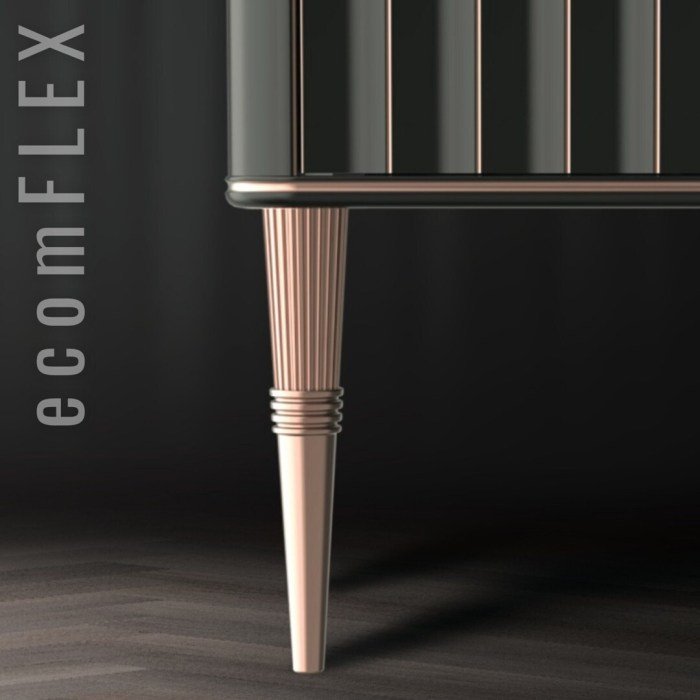
Yes, metal legs are generally very durable and resistant to wear and tear, providing long-lasting support for your sofa.
How do I know if a sofa is truly eco-friendly?
Look for certifications like FSC (Forest Stewardship Council) for wood and certifications verifying the use of recycled or sustainably sourced materials.